Taiwanese greeting culture
What is zhangbeitu (長輩圖)?
Zhangbeitu (長輩圖, zhǎngbèi tú — literally “elders’ pictures”) are the greeting images Taiwanese parents and grandparents send to family group chats, usually on LINE: peonies, lotus flowers or mountains, with a big, colourful 早安 (good morning) or 平安喜樂 (peace and joy) across the top. In English they are sometimes called “elder memes”. If your mum sends one every morning, here is what it means, how to reply, and how to send a nicer one back.
What they look like
- Pictures: blooming peonies, lotus and roses, mountain landscapes and sunrises, or Buddhist imagery such as Guanyin.
- Type: very large, multi-coloured characters, often outlined, gradient-filled, glowing or 3-D — sometimes three or four fonts on one image.
- Words: short blessings such as 早安 (good morning), 平安喜樂 (peace and joy) or 健康是福 (health is a blessing), plus versions for each weekday, festival and solar term.
- Use: one picture each morning, sent to family, classmate and neighbourhood groups.
The nickname caught on in the mid-2010s, as smartphones and LINE reached older generations in Taiwan. Younger people sometimes joke about the style, and some make ironic “zhangbeitu-style” memes. For many elders, though, it is simply how they stay in touch.
Why your parents send them
A greeting without typing. For someone who finds typing Chinese on a phone fiddly, one picture says “good morning, I’m fine, take care of yourself”.
A daily check-in. The morning picture in the family group quietly means “I’m up and all is well”. When it does not arrive, children often call to ask.
Care without pressure. Parents know their children are busy. A picture does not demand an immediate reply.
Easy to read, nice to look at. Big type and bright colours work on a small screen; flowers and scenery stand for prosperity, luck and a good mood.
In short, a zhangbeitu is less about the picture than the ritual — a small daily “thinking of you”. We started the 早安圖庫 Page to give that ritual some beautiful options.
How to reply, and a little etiquette
- Reply simply. A sticker, or 早安,您也是 (“good morning, you too”), is perfect.
- Mind the time zone. Morning pictures feel natural between about 6 and 9 a.m. and night pictures between 8 and 10 p.m. — in the recipient’s time. Useful if you live abroad.
- One a day is plenty. Several in a row push everyone else’s messages out of view.
- Check before forwarding health tips. Some images carry unproven remedies or rumours. Taiwan’s Cofacts and the Taiwan FactCheck Center check LINE rumours; a gentle private word works better than a correction in the group.
- Respect the creator. Sharing with family is fine; ads or printed products need the creator’s permission. Our terms are on the about page.
Phrases you will see on them
Tap “Copy” to grab the Chinese characters — handy for a reply. More in how to say good morning in Chinese.
- 早安zǎo ān — good morningMake image
- 平安喜樂píng’ān xǐlè — peace and joyMake image
- 身體健康shēntǐ jiànkāng — (wishing you) good healthMake image
- 天天開心tiāntiān kāixīn — be happy every dayMake image
- 天冷加衣tiān lěng jiā yī — it’s cold, wear an extra layerMake image
- 吃飽了嗎?chī bǎo le ma? — have you eaten? (an everyday “how are you”)Make image
- 早安,您也是zǎo ān, nín yě shì — good morning, you too (a polite reply)Make image
Classic vs. calmer
What makes a zhangbeitu look tacky is rarely the flowers; it is usually too many effects at once. The same message, two ways:
| Element | Classic zhangbeitu | A calmer version |
|---|---|---|
| Background | Wall-to-wall flowers, sparkles, photo collages | One quiet photo or illustration with clear space for the words |
| Type | Three or four fonts, rainbow outlines, glow | One or two fonts, dark on light (or the reverse), no effects |
| Size | As big as possible, covering the picture | A large main line and a smaller second line, easy to read on a phone |
| Words | “早安 平安喜樂 — share if you agree” | One specific line: “It’s cold today, take a jacket” |
| Quality | A screenshot of a screenshot, blurry by now | A 1080 × 1350 portrait PNG that shows in full in LINE |
Make a tasteful one in our free maker
- Open the maker (see the English guide).
- Choose 早安 (morning), 午安 (afternoon) or 晚安 (night).
- Pick a phrase, or tap 自己寫 (“write my own”) and type in English or Chinese. A line with their name on it — “Mum, good morning, how is your knee?” — beats any generic blessing.
- Drag the text into the clear part of the picture and pull a corner to resize. For older eyes, err on the large side.
- Choose a background and tap 下載 PNG (download), then send it from your photos.
Our latest good morning images
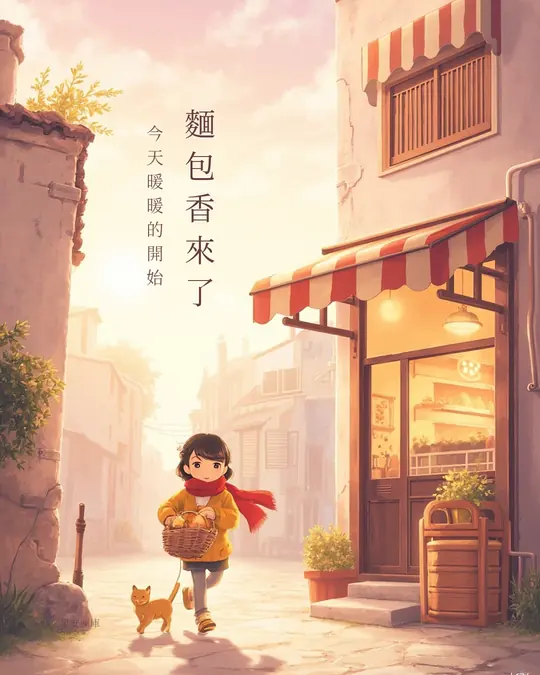
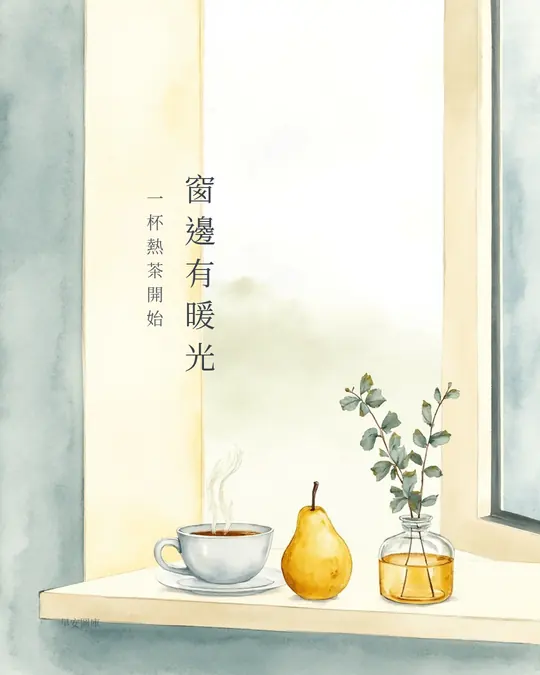
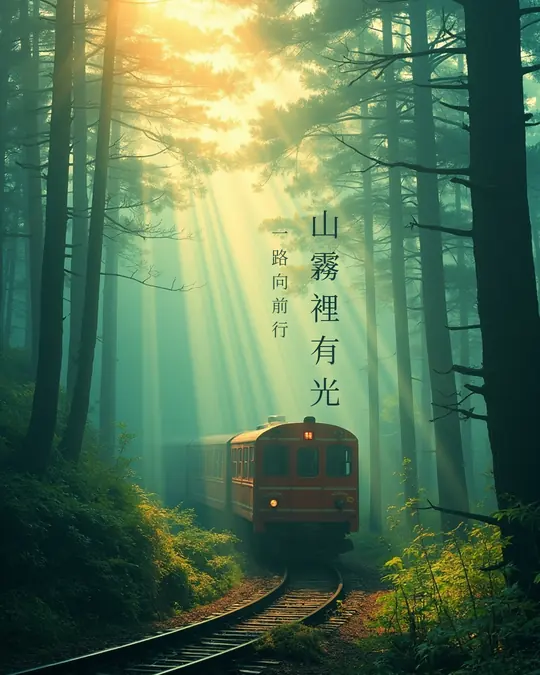
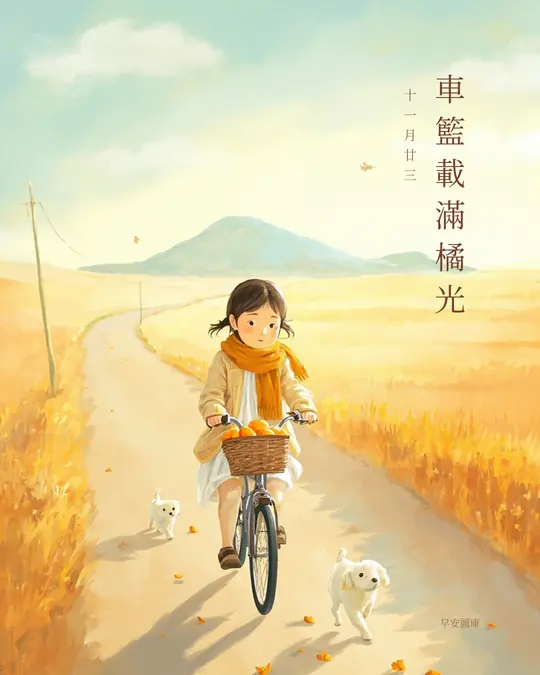
This is our idea of a good-looking zhangbeitu: a calm picture, the words in the open space, a specific line. Free to download and share.
More good morning images →


FAQ
What does zhangbeitu (長輩圖) mean?
Zhangbeitu (長輩圖, zhǎngbèi tú) literally means “elders’ pictures”. It is the Taiwanese nickname for the greeting images older relatives send in LINE group chats: flowers, landscapes or Buddhist imagery with large, colourful blessings such as 早安 (good morning) or 平安喜樂 (peace and joy). The term spread in the mid-2010s as smartphones reached older generations.
Why are they called “elder memes”?
Because parents and grandparents send them most, and the bold style — huge text, bright flowers, glowing effects — is instantly recognisable. Younger people sometimes make ironic versions. The nickname is affectionate teasing rather than an insult.
How should I reply when my parents send one?
A sticker, or a short “早安,您也是” (good morning, you too), is perfect. What matters is that they know you saw it. Sending a picture back now and then — especially one with their name on it — usually makes their day.
Can I make my own, with English text?
Yes, for free. Our maker runs in the browser with no sign-up. Pick a background, type English or Chinese, and download a 1080 × 1350 PNG that displays fully in LINE, WhatsApp and Messenger.
Is a zhangbeitu the same as a 早安圖 (good morning image)?
Mostly. A 早安圖 is any good morning picture; zhangbeitu is the nickname for the style elders share, which also includes good afternoon, good night, festival and solar-term greetings.
Related guides
- Chinese wisdom storiesShort moral tales in Chinese with English versions
- Good morning quotesShort lines in Chinese and English, ready to copy
- Good night quotesGentle lines to send before bed
- The 24 solar termsDates and seasonal greetings for each term
- Winter Solstice greetingsDongzhi on 22 December 2026, tangyuan and wishes
- Holiday greetingsUpcoming holidays and what to say